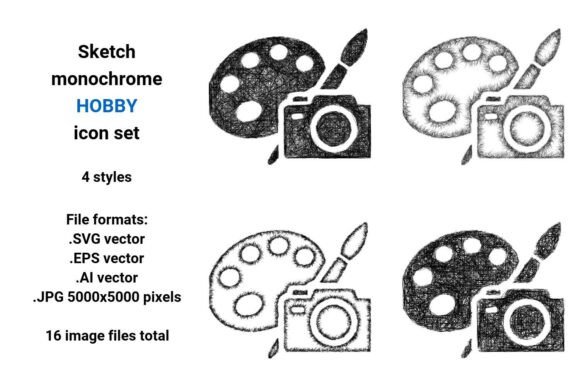
Sketch Hobby Icon Set: A Designer’s Embroidery Review
When I first opened the Sketch Hobby Icon Set, I knew instantly it wasn’t just another generic bundle of clip art. This set carries a quiet, hand-drawn charm that feels reflective, cozy, and nostalgic. As someone who spends every day thinking about how digital artwork will behave under the needle, I saw a collection that could breathe life into a whole range of embroidered products. The icons are rooted in leisure activities — the kind of pastimes that make people smile — and that immediately gives them a story. That matters more than most makers realize.
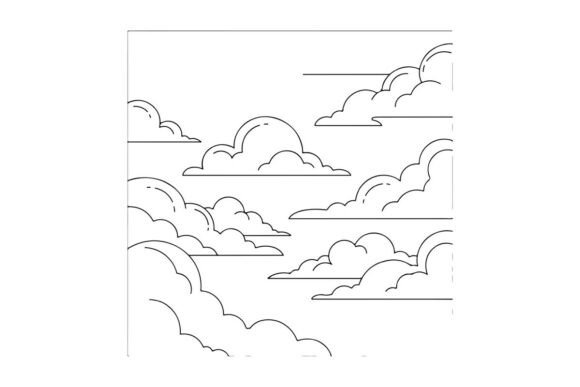
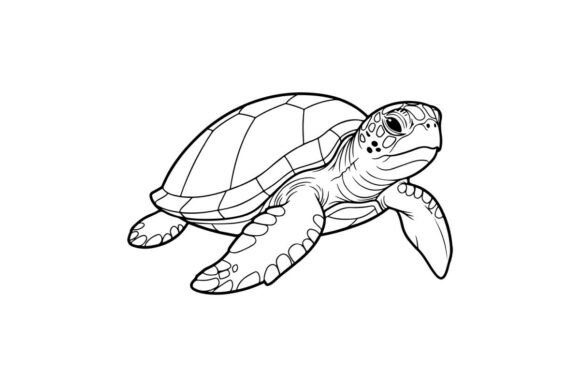
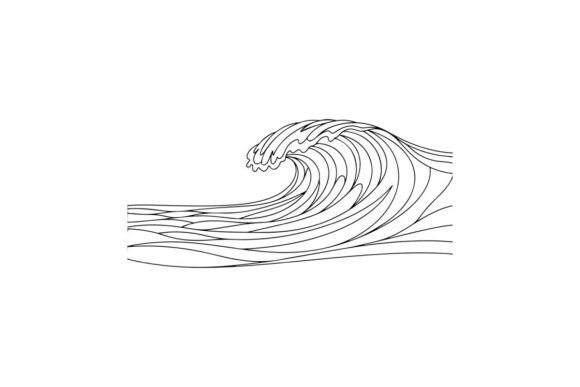
I’m evaluating this set through the lens of a working embroidery designer. I’m not just looking at pretty pictures. I’m thinking about thread texture, stitch path, fabric reaction, and customer perception. The Sketch Hobby Icon Set includes 4 distinct styles, each delivered in 4 file formats. The .SVG, .EPS, and .AI vectors give me clean, scalable artwork I can drop straight into digitizing software. The .JPG files at 5000×5000 pixels are perfect for mockups, listing images, and client previews. That’s 16 image files total, which is a thoughtful, practical package. But the real test is whether these icons can become a finished product someone would actually want to buy or gift.
First Impressions of a Sketch-Style Hobby Icon Set
The mood here is casual, warm, and slightly whimsical. The black‑and‑white linework feels like a sketchbook page, and that’s exactly the kind of aesthetic that translates beautifully into a modern embroidery style. There’s no over‑complication, no heavy shading, and no overly intricate details that would trap a machine in endless tiny stitches. The icons are recognizable, confident, and balanced. They seem to whisper “handmade” before you even stitch the first thread.
Visual personality matters a lot when you’re building a brand or a product line. The Sketch Hobby Icon Set has a consistent voice across all four styles. Even though the styles vary — possibly a clean outline, a slightly filled version, a more sketchy loose line, and a reversed silhouette — the underlying theme stays intact. This means I can mix and match icons from the same set without my project looking disjointed. For a canvas tote, a set of kitchen towels, or a patch series, that kind of cohesion is pure gold.
How the Icon Set Translates to Embroidery
Let’s be clear: this is a graphics set, not a pre‑digitized embroidery file. That’s actually a huge advantage for a designer who digitizes their own work. I have full control over how the design becomes stitches. The clean vector paths in the .SVG and .AI files import directly into my digitizing software, and I can adjust stitch types, density, and underlay without fighting messy auto‑traces. For a hobby‑themed icon, I’d most likely use a combination of running stitch for the delicate sketch lines and a bit of satin stitch where I want a bolder outline. The simpler the artwork, the more breathing room I have to make the stitches feel intentional.
One thing I always check is how a design reads when reduced to a single thread color. This set, being black and white, is already proofed for that test. On a light fabric with dark thread, every icon will hold its silhouette. On dark fabric, a white or cream thread will turn the sketch into a bright, charming line drawing. The lack of color inside the icons means I can also play with fabric as a visual element — a natural linen background, a soft blush cotton, or a heathered gray sweatshirt. That flexibility is a quiet superpower.
Real Project: Crafting a Tote Bag Collection for a Hobby Fair
Let me walk you through the exact scenario I had in mind. I’m putting together a small batch of embroidered tote bags for a local craft fair. The theme is “weekend hobbies,” and I want each bag to feature a different icon — a knitting ball, an open book, a paintbrush, a bicycle. The Sketch Hobby Icon Set has that exact assortment. I’m picturing a mid‑weight cotton canvas tote, a soft oatmeal color, and a single deep charcoal thread. The sketch style will look like a hand‑drawn illustration someone doodled on their own bag. That feeling of personal, homemade charm is exactly what customers at a craft fair gravitate toward.
I tested one of the icons on a scrap of the same canvas. I digitized it using a light fill stitch for the main body of the icon and a narrow satin border along the edges. The result was a clean, crisp, almost hand‑inked look. I didn’t need to alter the artwork much at all. The moderate detail level meant the stitches had enough room to form without bunching, and the lines stayed legible even at a slightly smaller size. That’s the kind of real‑world feedback I can’t get from just staring at a screen.
Where the Design Shines Brightest
After working with the set, I can confidently point to the products where this artwork will really sing. Tote bags are an obvious winner, but don’t stop there. A single icon on the corner of a pillow cover, the breast pocket of a chambray shirt, or the front of a kitchen apron carries a quiet professionalism. Embroidered patches made from these icons would be a hit with hobby communities. I can also see them on a set of reusable tea towels, a nursery wall art piece, or a personalized baby blanket. The sketchy, gentle nature of the artwork makes it safe for baby items without being childish.
For digital product sellers, the Sketch Hobby Icon Set pulls double duty. The high‑resolution JPG files are large enough to use in printable mockups, Etsy listing images, and boutique branding. You can show a realistic preview of the embroidered product before you ever stitch a single sample. That alone can boost buyer confidence and save time.
Potential Pitfalls and Fabric Considerations
Of course, no design is perfect for every situation. I’d be cautious about using these icons on highly textured fabrics like terry cloth or a thick waffle weave. The sketch lines might break apart or lose their personality. Stretchy fabrics, like performance tees, need extra stabilization and a slightly larger hoop size to keep the artwork from distorting. If you’re aiming for a tiny embroidery — say, under 1.5 inches wide — some of the finer details could become a tangled mess of stitches. In that case, I’d simplify the icon or choose one of the bolder styles from the set.
Curved surfaces like caps present a challenge too. The icons have a balanced, centered composition, but the curved bill of a hat can warp that symmetry. I’d test placement carefully and consider a flat‑surface application instead. Dark fabrics with light thread will show every tiny thread jump, so a clean stitch path and a quality stabilizer are non‑negotiable. Also, if you’re making products that will be washed frequently, like kitchen towels or baby items, avoid dense fill areas that could break down over time. The sketch style inherently avoids that problem, which is another reason I appreciate it.
Practical Embroidery Design Notes Before You Stitch
Here are the notes I’d stick to my own bulletin board when working with the Sketch Hobby Icon Set:
- Test on scrap fabric first. Even a simple‑looking design can surprise you. A quick stitch‑out on the same material you’ll use for the final product saves heartache.
- Check thread color contrast. The icons are black and white, but your thread choice can make or break the look. A dark charcoal thread on natural linen reads softer than pure black. A creamy white on olive canvas feels vintage. Don’t just default — test.
- Review stitch density for your digitized version. Since you’re creating the embroidery file from the vector, pay attention to pull compensation and underlay. The sketch lines should feel light, not heavy.
- Confirm your hoop size. The icons have a moderate amount of detail. I’d recommend a hoop at least 4×4 inches for most of them, but you can go smaller if you simplify. Always measure the final digitized design.
- Inspect small details. Some icons might have tiny dots or dashes that look great in vector but turn into single needle punctures. Use your digitizing software to enlarge or eliminate those if needed.
- Test in black and white mockups. The JPG files are perfect for this. Drop them onto a photo of a blank tote or a sweatshirt and see if the design still reads clearly at the intended size.
- Compare light and dark fabric backgrounds. The same icon can look completely different on a blush pink versus a navy blue. Use the mockup to decide before you commit thread.
- Use the right stabilizer. For woven fabrics, a medium‑weight cutaway stabilizer usually works. For knits, consider a fusible mesh to prevent stretching.
- Verify licensing. The description says 16 image files total, but it doesn’t spell out commercial use permissions. Before you sell finished products or use these in a client project, confirm the licensing terms. Most vector sets allow commercial use, but you must be certain.
From Digital Graphics to Finished Product Value
The Sketch Hobby Icon Set does something that many icon packs fail to do: it respects the maker. It gives you artwork that feels intentional, not just assembled. When I stitch out one of these icons onto a tote or a pillow, it doesn’t scream “clip art.” It whispers “thoughtful design.” That’s a huge difference in a market saturated with mass‑produced items. Customers notice. They feel the care.
For an Etsy seller building a brand around handmade, cozy products, this set could become a signature element. The same set of icons can appear on a patch, a digital download, a tea towel, and a baby onesie, and each time it will feel like part of the same family. That kind of visual consistency builds trust and repeat buyers. It also makes your product photography look cohesive, which is a conversion booster.
Even the file variety adds value. Having vector files means I can scale the artwork to fit a tiny pocket or a large wall hanging without losing quality. The .AI and .EPS files are industry standards, so if I ever collaborate with a screen printer or a laser engraver, the files are ready. The Sketch Hobby Icon Set isn’t just an embroidery design source; it’s a versatile design asset that can live across multiple kinds of handmade products.
I’ve seen many icon sets, and I’ve trashed just as many because they were too complex, too generic, or too digital to survive the embroidery process. This set earned a permanent spot in my resource library. The sketch style, the thoughtful variety of four styles, and the practical file delivery make it a tool I’ll reach for when I want to create something warm, personal, and quietly professional. If you’re a craft business owner, a hobbyist turning a passion into a shop, or a designer looking for reliable artwork that can live on fabric and thread, this set is worth a long, serious look. Just remember to test, test, test, and then let the sketchbook charm do the rest.