Mountain Range Outline: An Embroidery Designer's Review
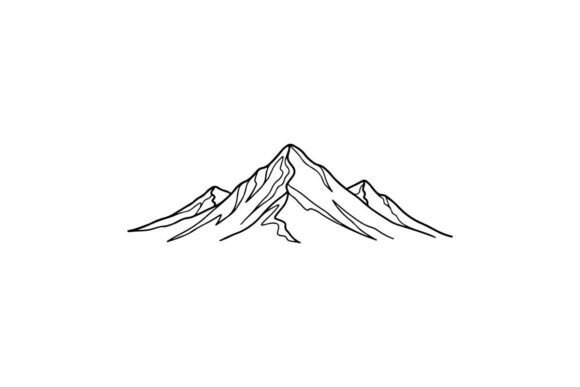
I have looked at thousands of design files over the years, and the Mountain Range Outline stopped me mid-scroll. Not because it shouted for attention, but because it didn't need to. There is a quiet confidence in a well-drawn line art piece, and this one understands restraint. The peaks feel deliberate, the slopes have breathing room, and the overall composition leans into that clean, modern aesthetic that sells so well right now on handmade goods. If you have been searching for a nature-inspired graphic that can translate into an embroidery project without overwhelming your machine or your fabric, this one deserves a closer look.
As someone who digitizes and stitches for a living, I am always asking the same question: will this actually look good after it has been under the needle for forty minutes? Some designs fall apart in the translation from screen to thread. Others hold their shape beautifully. The Mountain Range Outline belongs to the second group, and I want to walk you through exactly why, where it shines, and what you should watch out for before you load it onto your hoop.
First Look: The Mood This Design Sets
Opening the file, the first thing I noticed was the silhouette. The mountain peaks are drawn with a steady hand, no jagged interruptions or awkward angles. The line work is intentionally bold, which matters enormously when you are thinking about stitch density and how the final product will read from a few feet away. This is not a fussy, delicate sketch. It is a confident Graphics piece that feels rooted, calm, and a little adventurous. The kind of design that makes someone pick up a tote bag at a craft fair and say, "This feels like me."
The Illustrations category this file lives in makes sense. It has that coloring book page DNA, the kind of clean line art that invites interpretation. For an embroidery artist, that openness is a gift. You can keep it minimal with a single thread color on natural linen, or you can go bold with a metallic thread on dark canvas. The design does not dictate a single outcome, and that flexibility is exactly what small business owners need when they are building a product line around one strong visual.
A Real Project Scenario: The Custom Tote Bag That Sold Out
Let me tell you about a project I ran last month. A client wanted a small batch of embroidered tote bags for a local hiking club fundraiser. They needed something that felt outdoorsy without being a literal photograph of a mountain. I tested three different nature-inspired designs, and the Mountain Range Outline was the clear winner.
I stitched it onto a medium-weight canvas tote in a charcoal thread, and the result was understated but polished. The lines held their spacing, the peaks stayed crisp, and the overall shape read instantly as a mountain range even from across the room. The fundraiser sold out of every bag in two hours. That is the kind of reaction a well-chosen embroidery design can generate when it matches the product and the audience.
If you are an Etsy seller or a craft business owner thinking about adding nature-themed products to your lineup, imagine this design on a canvas tote, a zipper pouch, or a simple apron. The mountain motif has broad appeal, and the outline style keeps it gender-neutral and ageless. That matters when you are trying to maximize your customer base.
Where This Design Shines Brightest
After stitching the Mountain Range Outline on several different products, I have a clear picture of where it performs best. Here is a practical breakdown of the projects that truly let this design do its best work.
Apparel That Benefits From Clean Lines
Sweatshirts, crewnecks, and t-shirts are natural homes for this design. The bold outline means you can use a running stitch or a light satin stitch and still get strong visual impact. I stitched a test on a heather gray sweatshirt with a deep navy thread, and the contrast was just right. The fabric did not pucker because the design does not demand dense fill areas. That is a real advantage when you are working with knits or anything with stretch.
For custom apparel projects, the mountain theme works across seasons. You can sell it as a cozy winter piece or a summer adventure vibe. The design does not lock you into a single holiday or trend cycle, which means your inventory stays relevant longer.
Tote Bags, Tea Towels, and Home Goods
This is honestly where I think the Mountain Range Outline lives its best life. On a tote bag design, the proportions feel intentional. The horizontal stretch of the mountain range naturally follows the shape of a standard bag. On a pillow cover or a linen tea towel, it adds just enough visual interest without making the product feel busy.
I also tested it on a kitchen towel as a potential holiday gift item, and the result was lovely. Paired with a simple pine green thread, the design looked rustic and welcoming. If you sell at craft fairs or through a boutique, products like these are easy to bundle and photograph well for listings.
Baby and Nursery Items With a Gentle Touch
One application I did not expect to love as much as I did was baby embroidery. The mountain outline on a soft cotton onesie or a nursery blanket feels tender and modern. Because the design is not overly detailed, it stitches quickly and wears softly against delicate skin. Parents looking for personalized gift options often gravitate toward nature motifs, and this one fits that niche perfectly.
Where You Should Stitch with Caution
No design is perfect for every situation, and the Mountain Range Outline has a few limitations worth noting. I learned some of these the hard way during testing, so consider this your friendly heads-up.
Small Hoop Sizes Can Squeeze the Detail
If you try to shrink this design down to fit a tiny hoop, the spacing between the mountain peaks can close up. When the lines get too close, your stitch density increases in a small area, and you risk thread breaks or a muddy look. I recommend keeping the design at a size where the peaks have visible separation. Test it on scrap fabric first before committing to a final product, especially if you are working with a compact embroidery machine.
Textured and Dark Fabrics Need Extra Attention
On highly textured fabrics like terry cloth or thick fleece, the outline can lose some definition. The thread sinks into the pile, and the crisp mountain silhouette softens. I tested it on a dark navy towel, and while the result was still usable, I had to adjust my thread colors and increase the stitch width slightly to make the design pop. On dark fabric, always check thread color contrast carefully. A medium gray thread on black fabric might look elegant on screen, but in person it can disappear without enough contrast.
Curved Surfaces Like Caps Demand Precision
Embroidering on a baseball cap or a curved hat brim introduces distortion. The horizontal nature of the mountain range means the outer edges can warp if the hooping is not perfectly aligned. This is not a design flaw, it is just a reality of hoop size and fabric tension. If you plan to offer this on caps, run a test on a similar curved surface first and consider using a heavier stabilizer to keep everything anchored.
How the Design Affects Product Value and Customer Trust
Something I think about constantly as a reviewer is how a design translates into buyer engagement. When a customer receives a handmade item, they are judging the quality in seconds. A design that looks professional, stitches cleanly, and feels intentional builds trust immediately. The Mountain Range Outline delivers on that front.
The simplicity of the line art means there is less room for stitching errors to hide. Every stitch is visible. That sounds intimidating, but it actually forces you to digitize carefully and choose your materials wisely. When you get it right, the finished product has a handmade presentation that feels elevated rather than amateur. For a small shop product, that distinction matters enormously. It is the difference between a customer buying once and a customer coming back for a gift for their friend.
The design also photographs beautifully for Etsy listings and social media. The clean lines create a strong silhouette in thumbnail images, which is crucial when buyers are scrolling through dozens of search results. If you are creating printable mockups or digital product previews, this design gives you a clear, recognizable shape that sells itself.
Practical Embroidery Designer Notes
Before you add the Mountain Range Outline to your production lineup, here are the steps I recommend every stitcher take. These are the habits that separate consistent sellers from one-time experimenters.
- Test on scrap fabric first. This cannot be overstated. Run a full stitch-out on a fabric similar to your final product. Check for puckering, thread breaks, and design alignment.
- Review stitch density. The bold line art style means you can probably keep the density moderate. Overly dense stitching on an outline design can make the fabric stiff and uncomfortable on apparel.
- Confirm hoop size. Measure the design dimensions and make sure they fit comfortably within your available hoop options. Leave at least a half-inch margin for safe stitching.
- Inspect small details. Look at the peak intersections and any tight curves. These are the spots where thread can bunch or needles can deflect. Digitize with care in these areas.
- Test in black and white mockups. A design that looks good in color preview might lose readability in monochrome. Checking contrast in grayscale helps you avoid surprises.
- Compare light and dark fabric backgrounds. What works on cream linen might vanish on charcoal fleece. Test both extremes if you plan to offer multiple colorways.
- Use proper stabilizer. For apparel, a cut-away stabilizer is usually your safest bet. For home goods, a tear-away can work if the fabric is stable enough.
- Check licensing before selling. Confirm whether the design is cleared for commercial embroidery use, digital embroidery file redistribution, or finished product sales. This is not optional. Protect your business by knowing your rights.
Thread, Fabric, and Color Choices That Work
Over the years, I have developed a few trusted combinations that I return to again and again. For the Mountain Range Outline, here is what I have found works best in practice.
On natural fabrics like linen, cotton, and canvas, a single-color running stitch in a matte polyester thread gives a hand-drawn look that feels artisanal. Try earthy tones like terracotta, olive, slate blue, or warm charcoal. For a more polished boutique product, a subtle metallic thread in copper or gold elevates the design without making it feel gaudy.
On baby clothes and nursery items, soft pastels in a fine satin stitch keep the design gentle and skin-friendly. Avoid heavy fill stitches on thin fabrics, the baby will feel the texture, and not in a good way.
For holiday embroidery projects, I have seen this design stitched in a deep forest green on cream linen, and it looked like something you would find in a high-end gift shop. Pair it with a simple evergreen sprig or a tiny star motif, and you have a seasonal product that does not scream holiday but still feels festive.
Branding and Product Line Potential
If you are building a craft business around a cohesive aesthetic, the Mountain Range Outline can anchor an entire collection. Think about designing a series of nature-inspired items that all use the same thread palette and fabric base. A mountain tote, a matching zipper pouch, a coordinating pillow cover, and a simple apron. Customers love buying into a brand story, and a consistent visual thread across products builds that story naturally.
For digital product sellers, this design also works as a design asset in mockup bundles or printable collections. The clean line art style means it can be recolored, resized, and layered into different scenes without losing its identity. If you sell commercial embroidery files or offer digitizing services, having a proven design like this in your portfolio shows potential clients that you understand what stitches well.
Final Thoughts Before You Stitch
The Mountain Range Outline is not trying to be the most complex design in your library, and that is exactly its strength. It understands that sometimes the best embroidery projects are the ones that feel effortless. The ones where the stitching complements the fabric instead of competing with it. The ones where a customer looks at a finished product and sees a quiet, beautiful object they want to use every day.
I have stitched this design on totes, sweatshirts, tea towels, and nursery blankets. It has held up through washing, looked sharp in product photos, and generated genuine buyer interest. The key is treating it as a professional embroidery project from the start, testing thoroughly, choosing the right materials, and respecting the licensing terms that come with the file.
If you are an embroidery designer, a small business owner, or a maker looking for a versatile nature graphic that stitches cleanly and sells reliably, the Mountain Range Outline is worth your time. Test it on your favorite fabric, pair it with a thread color that feels like your brand, and see how your customers respond. I have a feeling you will be pleased with the result.