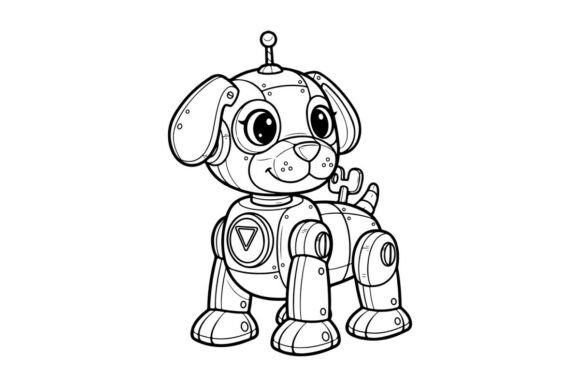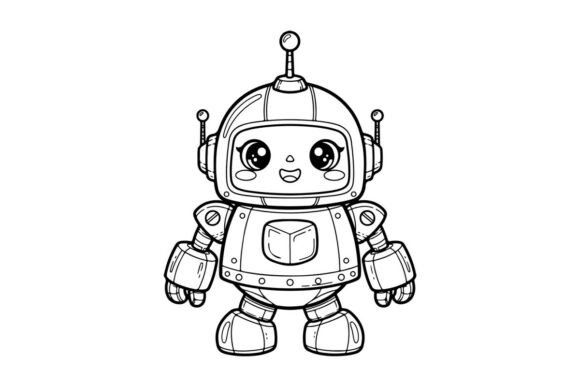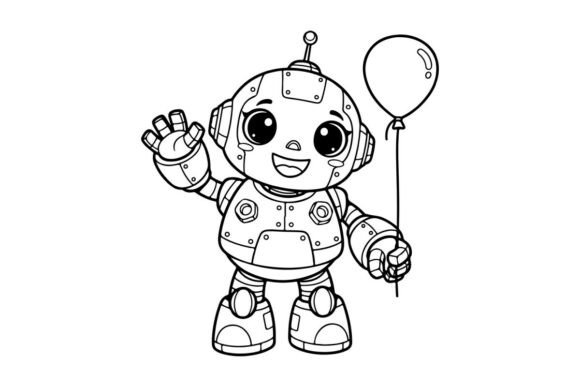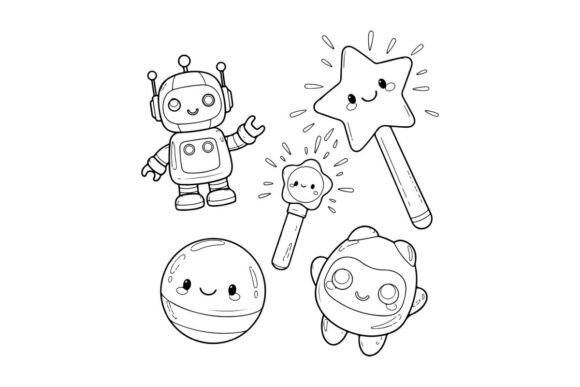
Cute Robot Characters Set: Vector Graphics & Illustrations
When I first opened the Cute Robot Characters Set Happy Vector I, I immediately felt a wave of cheerful, approachable energy. The line work is clean, the expressions are full of personality, and the overall composition feels intentionally balanced—this isn't a chaotic doodle sheet, but a well-structured graphic design asset that can slide into a brand kit without feeling childish or unprofessional. For a brand designer, that first impression is everything. You want illustrations that create a mood of friendliness and optimism without shouting or overwhelming the primary message. This set delivers exactly that: a gentle, happy visual tone that can soften a tech brand, add warmth to a product launch, or inject personality into a content creator's daily graphics.
The emotional pull is genuine. The robots aren't cold or mechanical; they're expressive, slightly retro, and undeniably cute. This makes them ideal for small business branding that wants to feel human, for educational content that needs to be inviting, and for lifestyle brands that want to signal playfulness. Yet, they're polished enough to sit on a commercial design product label or a website header. The balance between charm and structure is what makes this set a practical marketing visuals tool, not just a decorative clipart pack.
A Real Campaign: How a Small Business Could Refresh Its Visual Identity
Let me ground this review in a real scenario. Imagine a small online shop that sells handcrafted wooden toys for children. The owner, a solo entrepreneur, is planning a spring product launch: a new line of eco-friendly robot-building kits. The brand already has a soft, pastel color palette and uses a handwritten-style logo. She needs to create a cohesive content kit—social media posts, Pinterest pins, email banners, and packaging inserts—that feels joyful, consistent, and memorable.
Here, the Cute Robot Characters Set Happy Vector I becomes a secret weapon. Instead of hiring an illustrator for custom characters, she can pull individual robot vectors from the set, adjust their colors to match her brand palette, and place them on Canva templates or social media graphics. The robots become recurring brand mascots across her launch campaign. This not only strengthens brand identity but also builds audience trust through visual consistency. The characters can appear on packaging design as a small accent, on an Instagram carousel announcing the new kit, and on a blog graphics header about the benefits of creative play. The result is a campaign that feels professionally designed, emotionally resonant, and far more engaging than product-only photos.
Marketing Goals Supported by These Robot Characters
From a content marketer's perspective, the value of a digital product like this lies in how efficiently it supports core marketing objectives. Let's break down the advantages:
- Stronger first impression: A smiling robot on a website header or ad creative immediately communicates approachability, which can reduce bounce rates and increase click-through.
- Clearer visual hierarchy: The bold, simple shapes can frame a headline or product shot without competing for attention, guiding the eye naturally.
- More consistent branding: By using the same robot characters across multiple touchpoints, a brand creates a recognizable visual thread that builds stronger recognition over time.
- Emotional connection: Cute characters trigger warmth and nostalgia. This can be especially powerful in digital ads for products aimed at parents, hobbyists, or creative communities.
- Professional appearance: Well-drawn vector illustrations instantly elevate a lead magnet or printable design, making a small business look more established.
- Better engagement: On social media, posts featuring character illustrations often outperform plain text or stock photos, especially on platforms like Instagram and Pinterest.
The Cute Robot Characters Set Happy Vector I supports these goals without requiring advanced design skills. Because the assets are vectors, you can scale them for a merchandise sticker or a giant event flyer without losing quality. This flexibility is a huge asset for digital sellers and creative entrepreneurs who need to produce multiple formats quickly.
Where This Graphic Set Performs Best
In my workflow, I've found that certain design assets shine in specific placements. Here's where this illustration set will add the most value:
- Hero graphics and campaign headers: A robot character can anchor a landing page or a product launch banner, adding personality without clutter.
- Social media covers and stories: The set's happy vibe is perfect for Facebook cover photos, Instagram story backgrounds, and YouTube channel art aimed at a family-friendly audience.
- Packaging accents and product labels: A small robot peeking from a corner of a product label or a thank-you card adds a delightful unboxing moment.
- Content bundles and lead magnets: Incorporate the characters into a printable design or an ebook cover to make a free resource feel more valuable and branded.
- Editorial layouts and blog graphics: Use them as spot illustrations in articles to break up text and reinforce a friendly tone.
- Promotional banners and digital ads: The clean outlines and bold expressions work well in Facebook ads or Pinterest pins because they remain readable at small sizes.
For content marketing purposes, these robots can also become a recurring motif in editorial design. A blogger who writes about parenting, creativity, or tech for kids could use them to create a visual signature, making posts instantly recognizable in a crowded feed.
Where to Use This Asset With Caution
No design asset is universally perfect, and responsible brand designers always identify limitations. The Cute Robot Characters Set Happy Vector I has a distinct aesthetic that might clash with certain brand environments. I'd be careful using it in:
- Formal corporate branding: A law firm, financial institution, or B2B enterprise would likely find the robots too whimsical and undermining of authority.
- Dense information layouts: If a graphic is already packed with text, charts, and icons, adding a character illustration could create visual chaos.
- Small mobile graphics: While the vector quality is excellent, some of the finer details might get lost on a tiny mobile ad banner. Always test at actual mobile screen sizes.
- Low-contrast backgrounds: The line art relies on clear definition. Placing the robots on a busy or dark, muted background could reduce impact.
- Overly minimal brands: If a brand's entire identity is built on ultra-minimalist, monochrome, and negative-space design, these characters might feel like a disruption rather than an enhancement.
- Text-heavy ads: When the main message is a long headline or a technical spec sheet, the robots could distract from the core information.
Always ask: does this illustration support the message, or does it compete with it? The goal is to use the asset to enhance visual hierarchy, not to decorate for decoration's sake.
Designer-Level Checks Before You Go Live
As a brand designer, I run a mental checklist before placing any graphic design asset into a paid campaign or client project. For the Cute Robot Characters Set Happy Vector I, here's what I'd verify:
- Test with the brand color palette: The default colors might need adjustment. Recolor the vectors to match your exact brand hues. The robots should feel like they belong, not like a borrowed element.
- Check black-and-white usage: If you plan to print on a black-and-white invoice or packaging insert, ensure the line art remains clear without color. The bold outlines in this set usually hold up well, but always test.
- Place it inside real campaign mockups: Don't judge the asset in isolation. Drop it into a mockup of your Instagram post, email header, or product label to see how it interacts with other elements.
- Preview on mobile screens: Shrink your design to 320px wide. Does the robot's expression still read? Do the details merge into a blob? If so, use a simpler robot from the set or scale it up.
- Test readability with small sizes: Some of the more detailed robots might lose their charm when scaled down to a social media icon size. Choose the simplest, boldest characters for tiny applications.
- Compare against competitor visuals: In a saturated market, your visuals need to stand out. Check if competing brands are already using similar robot illustrations. Adjust the color story or placement to maintain differentiation.
- Font pairings: The robots have a playful, rounded feel, so they pair beautifully with sans serif fonts that have a friendly geometry, like Nunito or Poppins. They also work with handwritten fonts for a more personal, crafty look. If your brand uses a serif font, test carefully—the contrast might be charming but could also feel disjointed. Script fonts can work for a whimsical vibe, but avoid overly formal display fonts that might clash with the casual tone.
- Review spacing and balance: The set includes multiple characters, so if you use several in one layout, give them enough breathing room. Uneven spacing can make a professional design look amateurish.
- Confirm commercial licensing: Before using the Cute Robot Characters Set Happy Vector I in paid campaigns, client work, or business branding, double-check the commercial license terms. Ensure you're allowed to use the vectors on merchandise, digital ads, and items for resale. Many creative marketplace products have specific extended license requirements.
Why This Set Strengthens Small Business Branding
For small business owners, online coaches, and content creators, brand consistency often takes a backseat to speed. But using a well-designed illustration set like this can bridge that gap. You don't need to sketch custom characters from scratch; you can start with a high-quality digital product and tailor it to your voice. The Cute Robot Characters Set Happy Vector I gives you a head start on modern design that feels intentional, warm, and commercially viable.
It's particularly effective for building a brand identity around community, creativity, or innovation. Tech startups that want to appear human, educational platforms that need to engage children, and handmade product shops that value storytelling can all benefit. The robots act as a subtle emotional hook, making viewers smile before they even read the headline.
In a world of generic stock photos, these vector illustrations offer a way to signal originality. They support content marketing by making blog posts, email banners, and social media graphics more scroll-stopping. And because they're PNG and SVG compatible, they integrate smoothly into Canva templates or professional design software, saving hours of production time.
Ultimately, the Cute Robot Characters Set Happy Vector I is more than a cute clipart pack. It's a strategic design asset for anyone who wants to communicate joy, reliability, and creativity without sacrificing a professional edge. When used thoughtfully, it can elevate a campaign from forgettable to memorable, and help a brand build a visual language that audiences genuinely connect with.