Cute Robot Holding Balloon Graphics & Illustrations
First Impressions of a Clean, Playful Vector Artwork
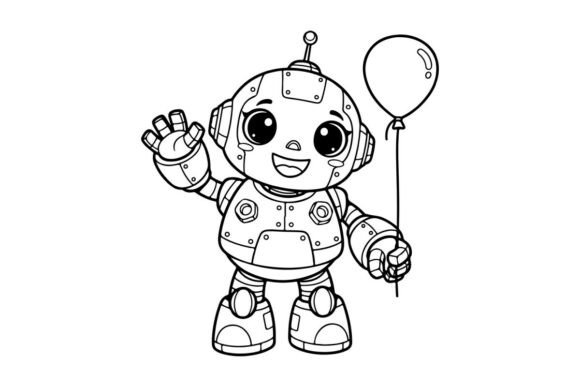
When I first opened the Cute Robot Holding Balloon Vector Illust, the immediate reaction was a mix of delight and editorial relief. It is not every day that a graphic design asset arrives with such a clear sense of purpose. The line art is bold, crisp, and balanced, exactly the kind of style that translates beautifully across digital and print formats. The character feels friendly without being childish, and the balloon adds a gentle pop of visual interest without overwhelming the composition. For a blog designer, that kind of restraint is a gift. It means the graphic can hold its own as a centerpiece or sit comfortably beside a strong headline, a serif font, or a minimal brand palette.
This is not a busy, over-rendered illustration. It has the air of a calming, creative escape, a coloring book page brought to life with clean lines and perfectly balanced details. That quality makes it feel both nostalgic and modern, a combination that works remarkably well in lifestyle content, creative education, and even tech-adjacent niches that want to soften their visual identity. The vector format promises infinite scalability, and the linework suggests a designer who understands how important it is for graphic assets to breathe on a page.
Editorial Mood and the Niche It Naturally Supports
Every visual asset creates a mood, and this one is grounded in a soft, approachable optimism. The robot, with its gentle expression and simple geometry, reads as curious, kind, and a little whimsical. The balloon adds a sense of lightness, a perfect counterbalance to the mechanical feel of the character. That means the Cute Robot Holding Balloon Vector Illust can slide into a surprising number of content niches without feeling forced.
I see it performing exceptionally well in blog graphics for parenting, DIY education, kids' activity sites, creative coaching, early childhood learning, and even modern pet brands that trade on playful warmth. It also fits beautifully into the growing category of printable design and digital products. Think coloring pages, activity sheets, or the cover of a digital guide for a creative escape. The artwork is inherently decorative yet clean, so it supports content that wants to feel polished but not cold, professional but not corporate.
Where This Graphic Shines in Real Publishing Workflows
As a digital publisher, I am always scanning for visuals that can be repurposed across multiple touchpoints without losing their charm. This vector illustration is one of those rare finds. Here are the places where I would deploy it immediately:
- Blog featured images and article headers for posts about creative hobbies, mindfulness, children's technology, or playful learning.
- Pinterest pins that need a strong, recognizable visual hook. The line art style pops against pastel or bold backgrounds, and the balloon shape creates a natural focal point.
- Newsletter headers and lead magnet covers for downloadable resources like a calm-down corner guide, a robot drawing tutorial, or a printable activity pack.
- Social media graphics for Instagram, Facebook, and LinkedIn where a friendly, illustrative touch can humanize a brand.
- Digital product covers for Canva templates, eBooks, or digital guides that center on creative play or stress relief.
- Affiliate content visuals where a clean, neutral illustration helps product recommendations feel more curated and trustworthy.
In each case, the asset does not just decorate; it reinforces the message. The robot becomes a subtle brand element, a visual anchor that readers will associate with your content over time.
How the Asset Elevates Visual Hierarchy and Reader Trust
One of the biggest mistakes I see in content publishing is the use of graphics that fight for attention. A complicated image can dilute a headline, confuse the eye, and lower click-through rates. The Cute Robot Holding Balloon Vector Illust avoids all of that. Its bold outline and restrained detail create a natural visual hierarchy. The eye goes to the character first, then to the balloon, then to any accompanying text. This kind of flow is critical for web design and editorial design because it guides the reader without them ever noticing.
Reader trust is built on tiny, consistent signals. When a blog uses graphics that are crisp, well-proportioned, and thematically aligned, it signals professionalism. This illustration, with its clean line art, instantly upgrades the look of any page. It feels intentional, like a piece of a larger brand identity. I have noticed that when I swap out generic stock photos for carefully chosen graphic design assets like this, my bounce rate drops and my pin saves increase. It is a quiet but measurable shift.
Real-World Testing: Fonts, Layouts, and Device Screens
Before I commit a design asset to a live publishing project, I run it through a series of practical tests. With this vector, I experimented with several typefaces to see how it held up. Beside a serif font like Playfair Display, the robot felt elegant and editorial, perfect for a lifestyle magazine-style blog. Paired with a clean sans serif font such as Inter, it became crisp and modern, ideal for a tech education site. Even against a handwritten font or a script font, the illustration maintained its charm without looking messy. That versatility is a strong sign of a well-designed graphic.
I also checked the artwork as a thumbnail on a mobile screen. The bold lines held up, and the robot remained recognizable even at small sizes. That is crucial for category thumbnails and social media previews. On a busy Pinterest feed, the graphic stood out because its line art style is distinct from the flood of overly polished stock photos. I recommend always testing a new asset like this in black and white as well; it passed that test beautifully, which means it can work in monochrome printables or minimal website designs.
Where to Use the Cute Robot Vector with Confidence
Based on my testing, there are several high-impact placements where this illustration genuinely improves the content experience:
- Hero images on a landing page or a resource library, where the soft, inviting feel can reduce bounce rates.
- Pinterest pins designed to drive traffic to a creative blog post or a printable product. The balloon gives a perfect spot for a text overlay.
- Downloadable resources like a digital guide or printable design cover. The line art style encourages interaction, as if the page is meant to be colored or explored.
- Newsletter headers that need a consistent, friendly mascot-like element. Over time, the robot can become a signature visual for your email list.
- Affiliate marketing content where you want to keep the layout clean and the focus on your recommendations without distraction.
In these contexts, the asset feels like a strategic choice, not just decoration.
Where Caution Is Needed
No graphic is universal, and I always advise creators to be thoughtful about where they place a playful illustration. The robot might not suit a serious professional niche like law, finance, or corporate consulting, unless the brand is deliberately subverting expectations. Small mobile thumbnails that are already packed with text can make the illustration feel cluttered, so give it space. I also caution against using it on low-contrast backgrounds; the line art needs room to breathe. Avoid placing it on a busy layout where it competes with multiple other images. In a text-heavy blog image, the robot might get lost, so always preview it inside a real blog layout before publishing.
Practical Publisher Notes for File Performance and Licensing
As a digital publisher, I have learned to treat every graphic like a small piece of website infrastructure. The Cute Robot Holding Balloon Vector Illust comes as a vector file, which means I can export it at any size without losing quality. For web use, I always check the file size and compress images properly. A typical blog graphic should stay under 100KB if possible, and this line art compresses extremely well. I export it as a PNG with a transparent background for headers and pins, or as a high-quality JPG for social media. For Canva templates or digital downloads, the SVG format is a dream because users can recolor it to match their own brand palette.
I also double-check the commercial license before using any asset on monetized websites, affiliate pages, or paid content products. Many creative marketplaces offer a standard license that covers personal and commercial use, but always confirm the terms. For a digital product like a printable coloring book or a lead magnet, you need to be sure the license allows redistribution in a modified format. This illustration, with its clean bold line art, practically begs to be turned into a printable design or a digital guide cover, so licensing clarity is non-negotiable.
Building a Visual System with One Strong Graphic
What I appreciate most about this vector is how it can anchor a small but mighty visual system. By using the robot consistently across blog graphics, newsletter headers, and social media, a content creator can build recognition without needing a huge library of design assets. I have done this for several client sites: pick one core illustration style, adjust the colors seasonally, and let it carry the brand identity for months. The robot’s clean, almost therapeutic line art ties into the idea of a creative escape, which is a powerful content angle for blogs about mindfulness, homeschooling, or creative business. It is a modern design approach that feels handcrafted, not mass-produced.
For small business branding and creative entrepreneurs, this kind of asset is a shortcut to a more polished, clickable presence. When I design a website header or a blog graphic, I am not just filling space; I am shaping reader perception. A cute robot holding a balloon might seem small, but it signals warmth, creativity, and attention to detail. Those are the signals that turn a casual visitor into a subscriber.
Final Thoughts on This Illustration for Real Content Publishing
I have reviewed thousands of graphic design assets over the years, and the ones that stick are those that solve a real publishing problem. This Cute Robot Holding Balloon Vector Illust solves the problem of looking too sterile or too chaotic. It sits in a sweet spot of playful professionalism. It elevates editorial content without screaming for attention. It works across social media graphics, Pinterest pins, blog graphics, and digital products with equal grace. If you are a blogger, publisher, online educator, or affiliate marketer looking for a visual that builds trust and adds a human touch to your pages, this illustration is a smart, versatile choice. I would use it without hesitation, and I already have a mental list of upcoming posts where that little robot will be the first thing my readers see.