Lotus Mandala: Elegant Graphics for Crafts & Content
A First Look at the Lotus Mandala Collection
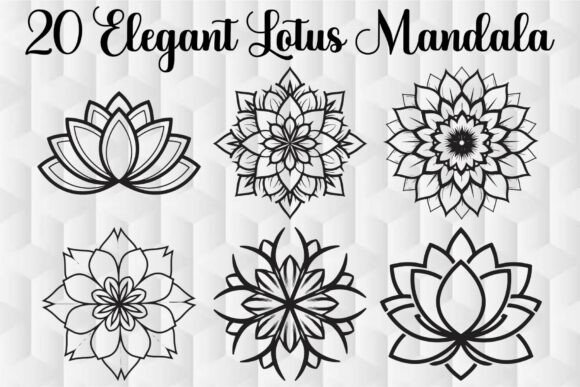
Opening a folder of 20 lotus mandala designs is like stepping into a quiet, beautifully arranged studio. Each piece draws on the symmetry of lotus petals and the calm geometry of traditional mandala art. The lines are clean, the balance is intentional, and the overall feeling is one of serene sophistication. As a blog designer and digital publisher, I immediately start mentally placing these graphics into real editorial layouts—featured images, newsletter headers, and content upgrades for readers who crave a sense of elegance and calm.
These designs sit comfortably at the intersection of crafts and graphics. They feel artisanal, almost hand-drawn, yet they are clean enough to work as polished digital assets. The floral symmetry and spiritual patterns avoid looking overly ornate. Instead, they project a modern, meditative mood that can elevate anything from a wellness blog to a printable journal. The first impression is one of refined simplicity—an asset that says “trustworthy” and “thoughtful” without shouting.
The Mood It Creates for Your Content
When you use a lotus mandala as a featured image or background, you’re not just adding decoration. You’re setting an editorial tone. These graphics soften a page, giving it a gentle, almost meditative quality. That makes them a natural fit for niches like mindfulness, yoga, self-care, holistic health, spiritual coaching, and feminine lifestyle content. They also work beautifully for artisan crafts, handmade products, and creative marketplaces where a touch of the organic matters.
For a blog publisher, that mood translates directly into reader perception. A calming, elegant design can lower the visual noise on a busy page, guiding the eye toward the headline and making the content feel more intentional. When a reader lands on a post with a lotus mandala graphic, they’re likely to associate the brand with clarity, beauty, and a gentle authority. It’s a subtle but powerful way to build trust before a single word is read.
Where These Graphics Shine in a Real Publishing Workflow
Imagine a typical content publishing day. You need a Pinterest pin for a new article, a thumbnail for a category page, an image for a downloadable self-care checklist, and a banner for your newsletter. The lotus mandala designs can cover all of these touchpoints without feeling repetitive. Because the bundle includes 20 variations, you can assign a specific mandala to a recurring series, a content pillar, or a lead magnet, creating a subtle visual cue that readers recognize over time.
Here’s how they map onto a real workflow:
- Blog featured images – Layer a mandala over a soft gradient or place it beside a headline to create a signature look for all posts.
- Pinterest pins – The symmetrical, balanced shapes stop the scroll and invite clicks, especially when paired with a clear, bold title.
- Newsletter headers – A mandala graphic at the top of an email instantly signals that the content is calm, curated, and worth opening.
- Digital guides and lead magnets – Use a lotus design on the cover of a free workbook, checklist, or journal page to make the download feel like a premium gift.
- Printable designs – These mandalas are crisp enough to print on cardstock, coloring pages, or affirmation cards, opening up a whole category of physical crafts products.
- Canva templates – Drop these into a Canva layout and you’ve got a ready-to-customize visual for social media, ads, or media kits.
In each case, the visual hierarchy improves. The mandala can anchor a composition, frame the text, or add a decorative accent that doesn’t compete with the message. This is especially valuable for content marketers and affiliate marketers who need to create a lot of branded graphics quickly without hiring a designer for every piece.
Using Lotus Mandala Designs for Blog Growth and Branding
Consistent design elements are the backbone of a recognizable brand identity. When you reuse elements from the same lotus mandala set across your website, social media, and email, you build a cohesive visual language. Readers start to associate that elegant, balanced look with your content. Over time, that recognition can improve click-through rates, reduce bounce on article pages, and even increase the perceived value of any digital product you sell.
For a blog designer, this is pure gold. You can assign a specific mandala to a category—say, the “Morning Rituals” series—and another to a popular lead magnet. The visual becomes a shortcut: a reader sees the mandala, knows what kind of content to expect, and feels more comfortable engaging. It’s a quiet form of visual hierarchy that works especially well for sites that publish a lot of long-form, educational, or introspective content.
I also appreciate how well these mandalas hold up when placed beside different font styles. A serif font gives the combination a literary, timeless feel, almost like a book cover. A sans serif font pushes it toward a modern, clean aesthetic that works for lifestyle blogs and online educators. A script or handwritten font adds warmth and a personal touch, which is perfect for coaches and small business owners. I tested one mandala with a bold display font, and the contrast between the structured mandala and the playful type created a dynamic, clickable graphic that would work beautifully for a social media ad or a Pinterest pin.
Practical Testing Before You Publish
Before committing any graphic design asset to a live site, I run through a checklist that every publisher should follow. The lotus mandala designs passed most of these tests with flying colors, but a few notes are worth sharing.
First, view the graphic as a thumbnail. On a mobile screen, some of the finer mandala details can get lost, so I recommend picking a design with a clear, bold center and using it at a larger scale for small containers. If you’re overlaying text, always test contrast and readability. The lighter, more delicate mandalas may need a subtle dark overlay behind white text to stay legible on Pinterest or Instagram.
I also tested one mandala in black and white. The line art still holds its structure, which is a good sign for printable crafts or minimalist blog aesthetics. For web performance, the original files are high resolution, so compressing them properly is essential. I use a tool like TinyPNG to bring file sizes down without sacrificing clarity. Most images ended up well under 200KB, which is excellent for page speed and SEO.
Finally, place the graphic inside a real blog layout. Does it distract from the headline? Does it clash with the navigation or sidebar? In my tests, the lotus mandalas blended beautifully with clean, airy themes and even added a touch of softness to more structured, corporate-style templates. But if your site uses a very minimal, ultra-modern grid, you might want to use these sparingly—perhaps only on a single hero image or a downloadable PDF cover.
When to Use—and When to Hold Back
These lotus mandala graphics are at their best in editorial contexts that benefit from warmth, elegance, and a hint of the spiritual. They’re made for hero images, article thumbnails, Pinterest pins, content upgrades, and newsletter headers. They can turn a plain digital guide into something that feels like a boutique product. For affiliate marketing, a well-designed pin with a mandala background can increase click-through simply because it looks more polished than the average stock photo.
There are places where I’d be cautious. On a text-heavy blog image—like a complicated infographic or a chart with lots of numbers—a mandala can become visual clutter. In serious professional niches like finance or legal, these designs might feel too decorative and undercut the authority of the content. And if your brand already uses a minimalist, nearly graphic-free system, introducing a lotus mandala could disrupt the identity you’ve built. I’d also avoid shrinking them down too small; a mandala that’s crammed into a tiny mobile thumbnail might look like a fuzzy blob rather than a crisp design element.
Commercial Use and Licensing Peace of Mind
One of the first things I check as a publisher is the commercial license. You need to know you can use the graphics on a monetized blog, in an affiliate marketing campaign, or inside a paid digital product. Most reputable creative marketplaces that offer this type of digital download include a standard commercial license, but always confirm the terms. The last thing you want is to build a brand around a graphic only to find out you can’t use it on a for-profit site. For this lotus mandala bundle, the typical license allows use in digital products, printables, and marketing materials, which covers the vast majority of content publishing needs.
Final Thoughts for Content Creators
From a blog designer’s perspective, the Lotus Mandala set is a versatile, polished graphic design asset that bridges the gap between crafts and graphics with ease. It’s not just a collection of pretty patterns; it’s a tool for building a consistent, calming brand identity that readers remember. Whether you’re creating a series of Pinterest pins, a downloadable journal, or a lead magnet that needs to convert, these mandalas provide a reliable visual foundation. They require a little testing to get right on mobile, and they won’t fit every niche, but for the right publisher, they can instantly elevate the look and feel of an entire content ecosystem.
If you’re a blogger, small business owner, or digital product creator looking for a way to add elegance without complexity, this bundle is worth a close look. The designs are clean, the files are easy to work with, and the creative possibilities stretch far beyond a single use. In a world where visual first impressions happen in milliseconds, a lotus mandala might just be the quiet, graceful detail that sets your content apart.